Parent perceptions of free school meals

School Food Matters is working with researchers at the University of York to explore parents’ experiences and perceptions of free school meals. Through a combination of existing evidence and new research with parents, the project will examine the factors that influence families’ decisions to apply for and take up free school meals.
Background
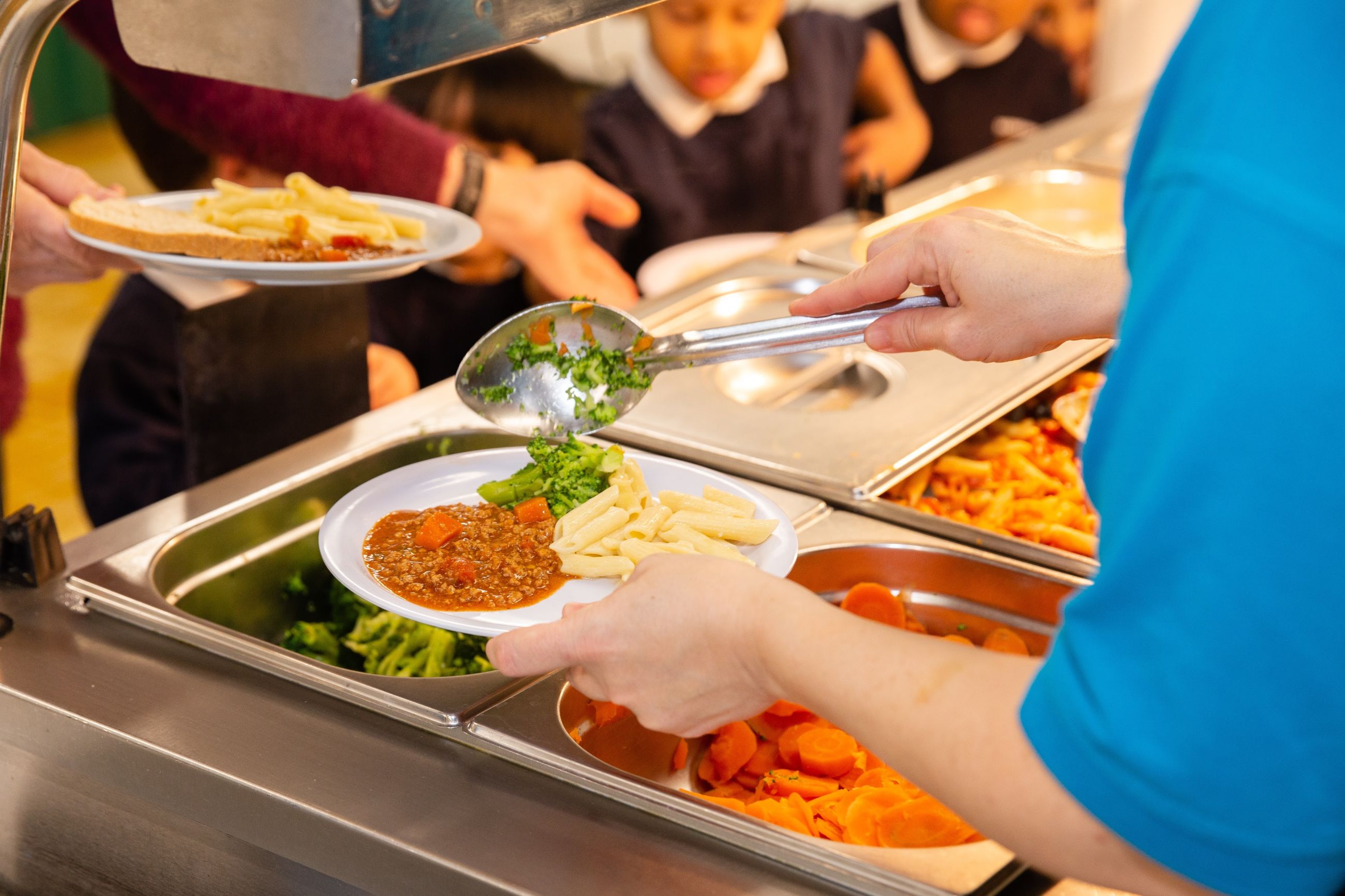
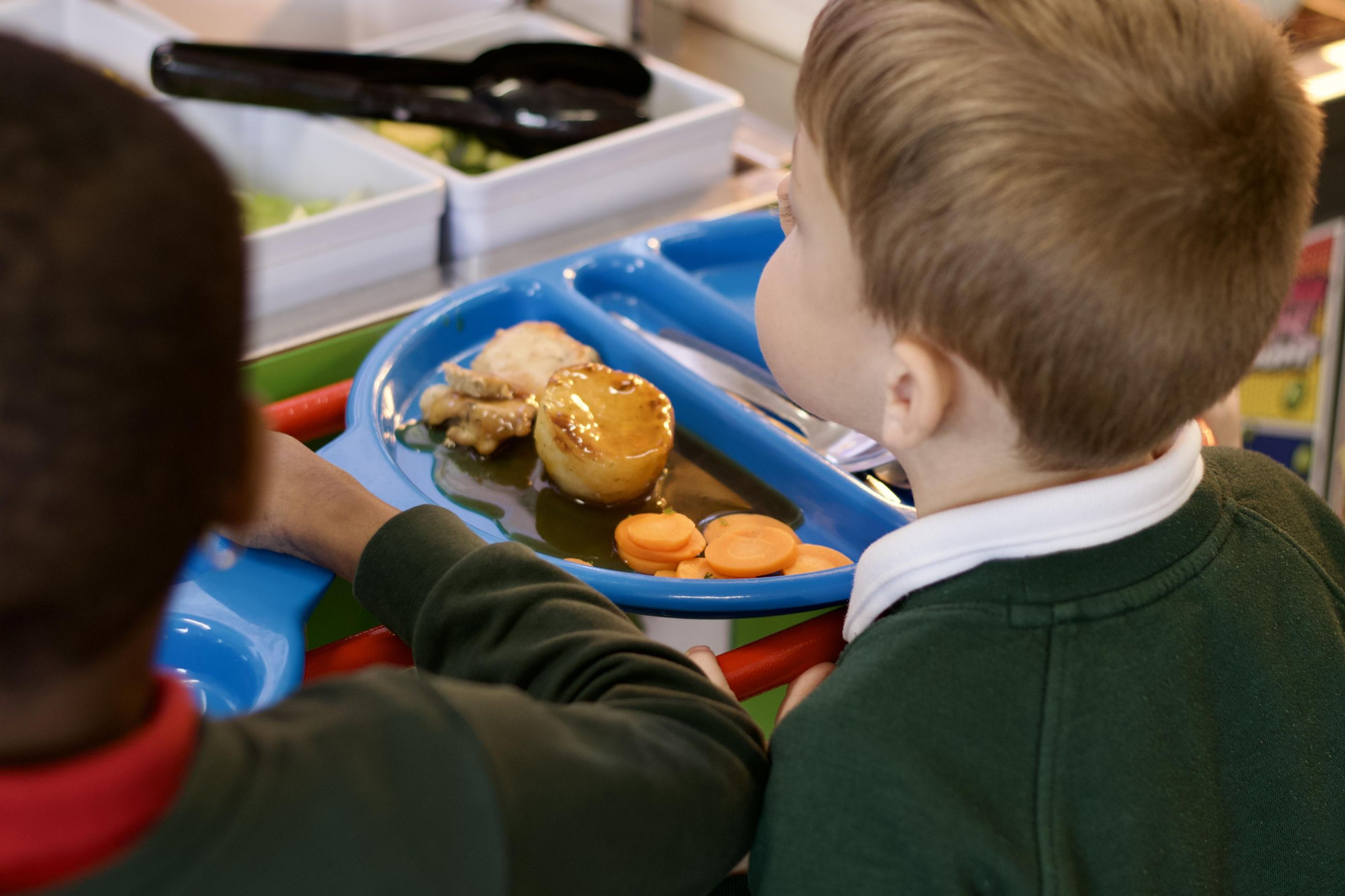
Free school meals provide an important source of support for families, helping to ensure that children can access a nutritious meal during the school day. In England, 2.2 million children were eligible for free school meals during the 2024/25 school year, representing 26% of children. [1]
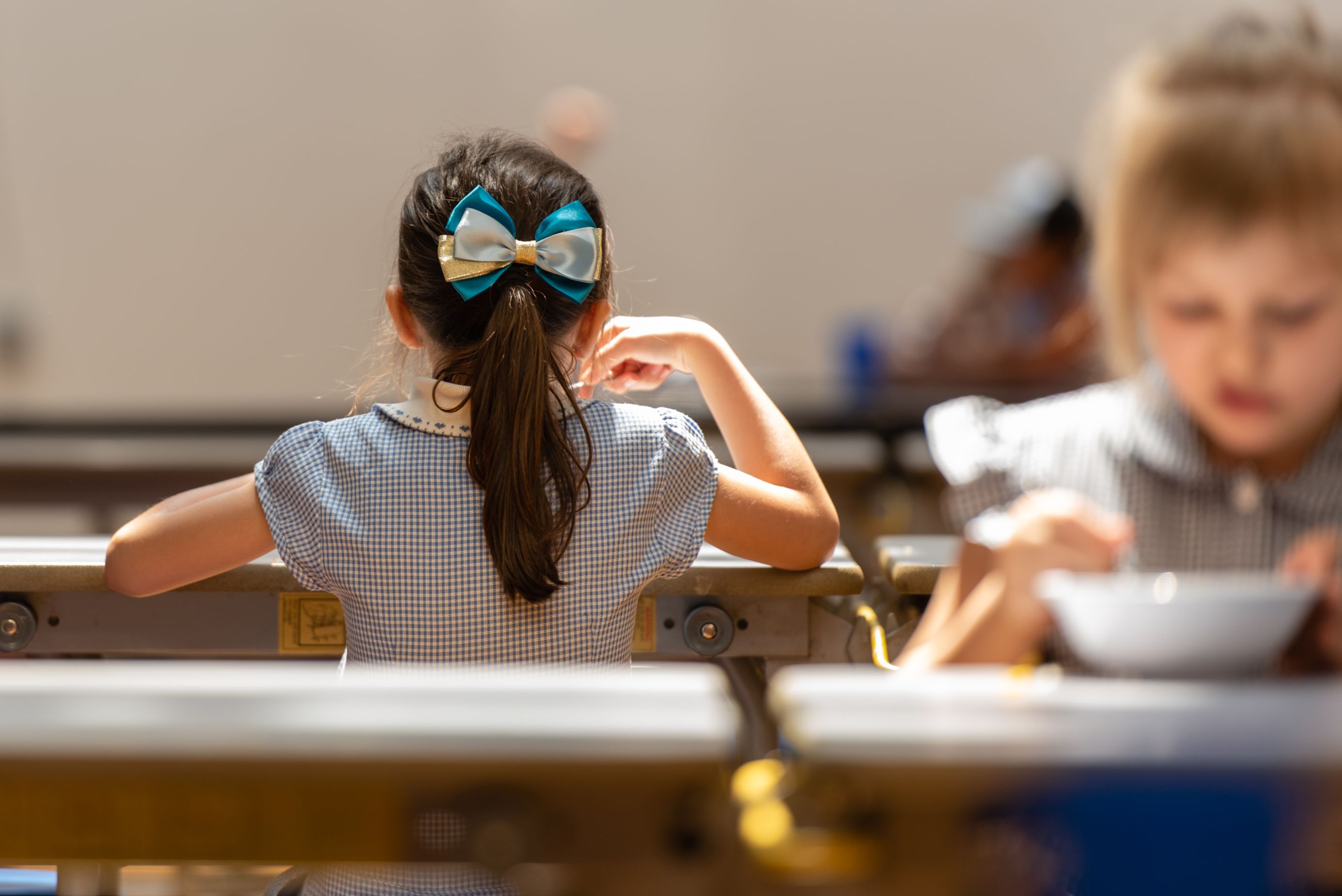
While there is strong evidence of the benefits of school meals for children, much less is known about parents’ experiences of and perspectives on free school meals. Existing research suggests that some parents experience feelings of shame or stigma associated with receiving free school meals, linked to concerns about judgement and feelings about being unable to provide for their children. [2] Research has also found that children can experience stigma associated with free school meals, including feeling different from their peers. [3, 4]
Approaches such as anonymised payment systems and universal free school meals aim to reduce these barriers, but their effectiveness remains unclear. Research into the take-up of free school meals has identified the potential influence of peer effects. [5] Evidence from London’s universal primary free school meal programme suggests that universal provision can reduce poverty-related stigma for families and increase take-up among children previously eligible for means-tested free school meals. [6]
The findings will help inform School Food Matters’ campaigning and advocacy to ensure every child has equitable access to nutritious, delicious and sustainable school food, regardless of their background or circumstances.
What the research will explore
The research will explore:
- parents’ experiences and perceptions of free school meals
- whether and how parents experience feelings of shame or stigma associated with their child receiving free school meals
- parents’ perceptions of how their children experience free school meals, including whether they feel different or are treated differently by their peers
- how parents navigate the decision to apply for free school meals
- the factors that influence whether families take up free school meals.
Our research approach
The research will combine a rapid review of existing evidence with analysis of previous research into the experiences of parents, carers and young people, alongside new interviews with parents about their own experiences and perspectives of free school meals.
This project will take a collaborative, co-designed approach - parents, peer researchers and a public advisory group will help shape and interpret the research. A workshop will then bring together parents, researchers and School Food Matters to explore the findings and help shape future campaign work.
Research partnership
Led by Professor Maria Bryant, Dr Sundus Mahdi and Dr Nicola Nixon, the project draws on the University of York's expertise in public health nutrition, food systems, school food and health inequalities.
The research builds on existing work by the University of York and its partners, including the FixOurFood in Schools programme and the Fantastic Food in Schools (FIGS) project. These projects have explored different aspects of school food, including free school meal access, universal provision and the experiences of children and families.
The project is also informed by wider research into the experiences and role of school meals, including work by The School Meals Project.
For further information on this research, contact Emily Dawson, Monitoring, Evaluation and Learning Officer, on emily@schoolfoodmatters.org.
References
-
Department for Education. Schools, pupils and their characteristics, Academic year 2024/25 [cited 2025 Jul 1]
-
Alderson C. The Stigma of Free school meals (FSMs). SOFEA; 2022
-
Er V, Crowder M, Holding E, Woodrow N, Griffin N, Summerbell C, et al. Young people’s views and experience of diet-related inequalities in England (UK): a qualitative study. Health Promotion International. 2024;39(4):daae107.
-
O’Connell R, Brannen J, Ramos V, Skuland S, Truninger M. School meals as a resource for low-income families in three European countries: a comparative case approach. European Societies. 2022;24(3):251–82.
-
Holford A. Take-up of Free school meals: Price Effects and Peer Effects. Economica. 2012;82(328):976–93.
-
Impact on Urban Health. More than a meal: An independent evaluation of universal primary free school meals for children in London. 2024.