How parents can help shape school food

On 2 November, Victoria Mortimer, Volunteers Coordinator at School Food Matters, will join fellow Parent Ambassadors from across the country at Parliament to hand in the We’re Fed Up citizens’ charter, calling on government to act.
As a Parent Ambassador for Sustain’s Children’s Food Campaign, Victoria helped shape the citizens’ charter which calls for a food system that puts people’s health before corporate profits. We spoke to her about what motivates her campaigning, why parents’ voices matter and how families can work with schools on school food.

What made you want to become a Parent Ambassador?
My main motivation was frustration with the food industry, particularly the way it markets products to parents and children.
When I was weaning my daughter, she just wouldn’t eat. I tried cooking from scratch and making purées but I was desperate to find something she would accept. I turned to supermarket baby food, trusting the claims on the packaging. I assumed there must be rules about what brands could say but I was shocked by the health claims they could make and the manipulative marketing to parents.
As my daughter got older, the marketing aimed at children became more obvious, from using cartoon characters to placing sugary foods strategically in supermarkets. Shopping could become a nightmare.
I wanted to make some noise and have a platform to push for change. Becoming a Parent Ambassador gave me an opportunity to do that.
Tell us about the We’re Fed Up campaign and how parents helped shape it.
I was really proud to be involved. Sustain’s Children’s Food Campaign brought parents together through workshops and focus groups, giving us the opportunity to help shape the citizens’ charter and its six calls for change.
For me, the issues of targeted marketing and transparency are particularly important. But the charter looks at the bigger picture too, including the affordability and availability of food, clearer information and holding food companies accountable.
It’s about giving parents and the public a voice, getting government to listen and offering constructive solutions. Voluntary action by food companies isn’t delivering the change we need, so we’re calling for stronger action and legislation.
I’m excited to be going to Parliament for the hand-in on 2 November. It’s a really important opportunity to make our voices heard.
Why do you think it’s important that the government and decision makers hear from parents?
Parents know their children better than anyone, and we deal with these issues every day. We see how things like targeted food marketing affect family life, so we have first-hand insight into where policies don’t always match up with reality. We can also suggest practical solutions based on our shared experiences.
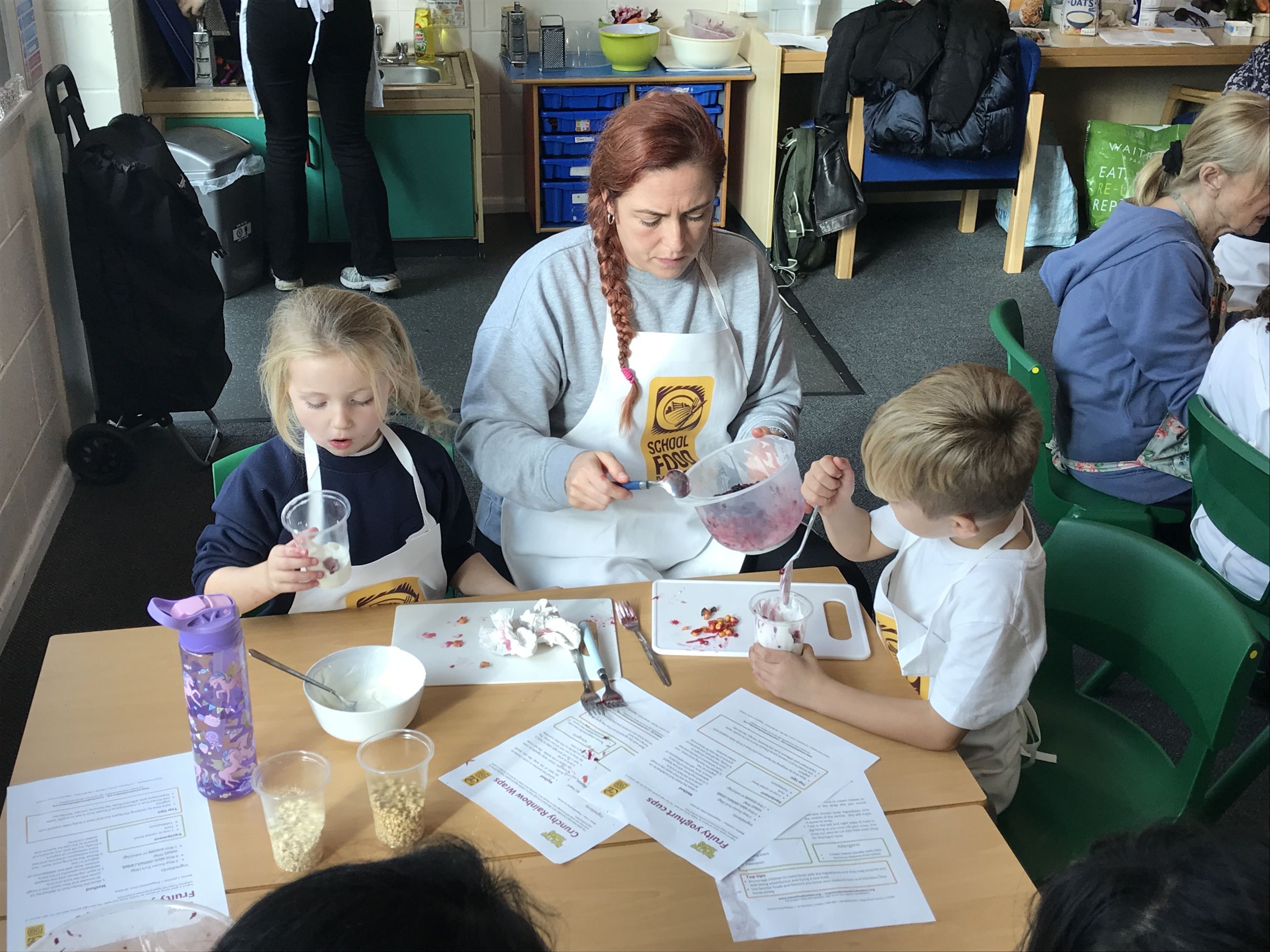
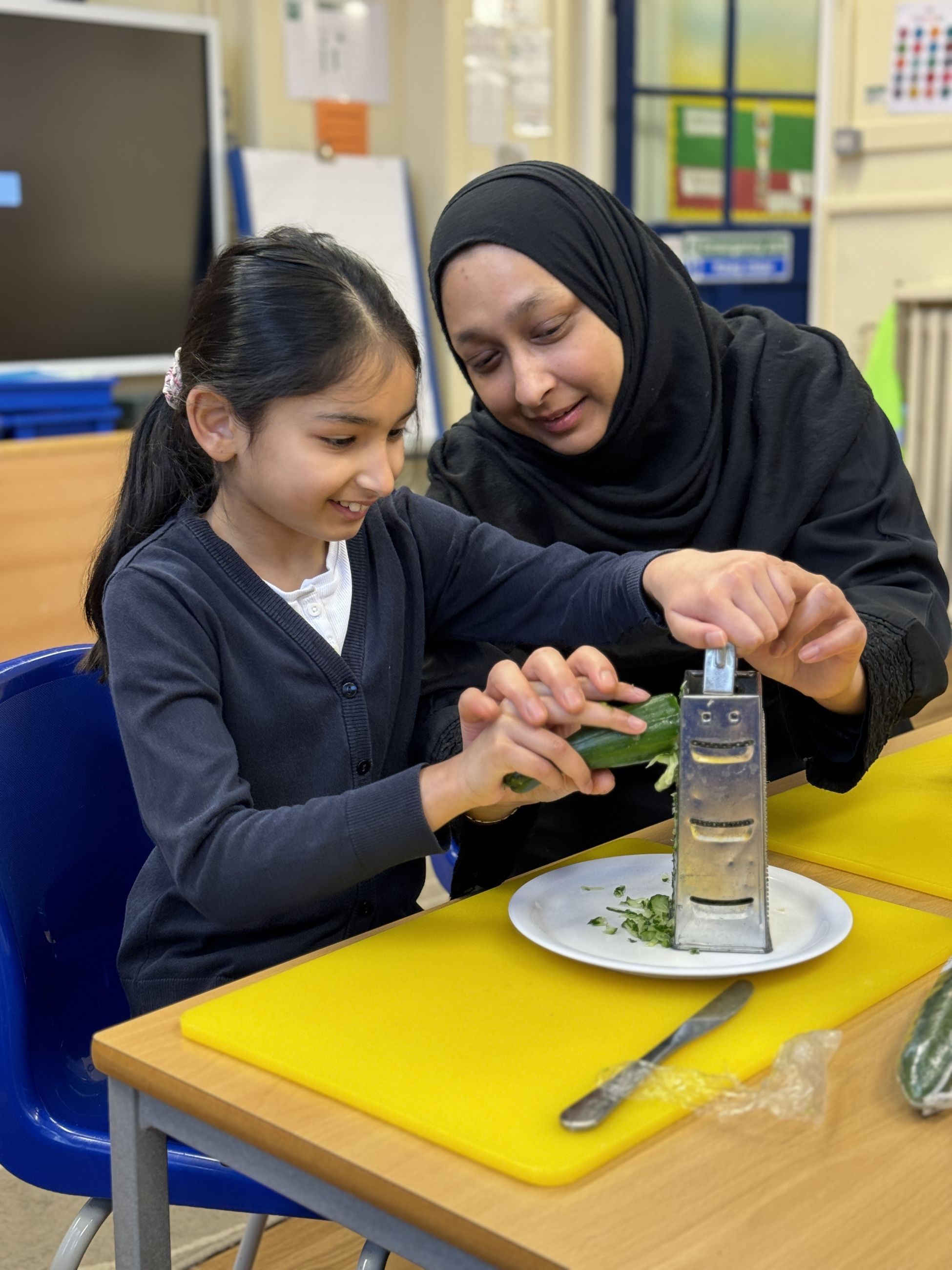
When it comes to school food, our children tell us what they’re actually eating and what their experience of lunchtime is like. That’s valuable feedback that schools and caterers may not always hear. Parents can also speak up for children whose voices might otherwise go unheard. It’s important that government and decision makers listen to these experiences when shaping policies that affect children and families.
What have you learnt from working alongside other parents?
One of the biggest things I’ve learnt is that you’re not alone. We all have different reasons for getting involved and our experiences can be very different but we’re working towards the same goal.
My own experience has been about challenging the food industry and its marketing. I really value being part of a community where we can learn from each other and bring different perspectives.
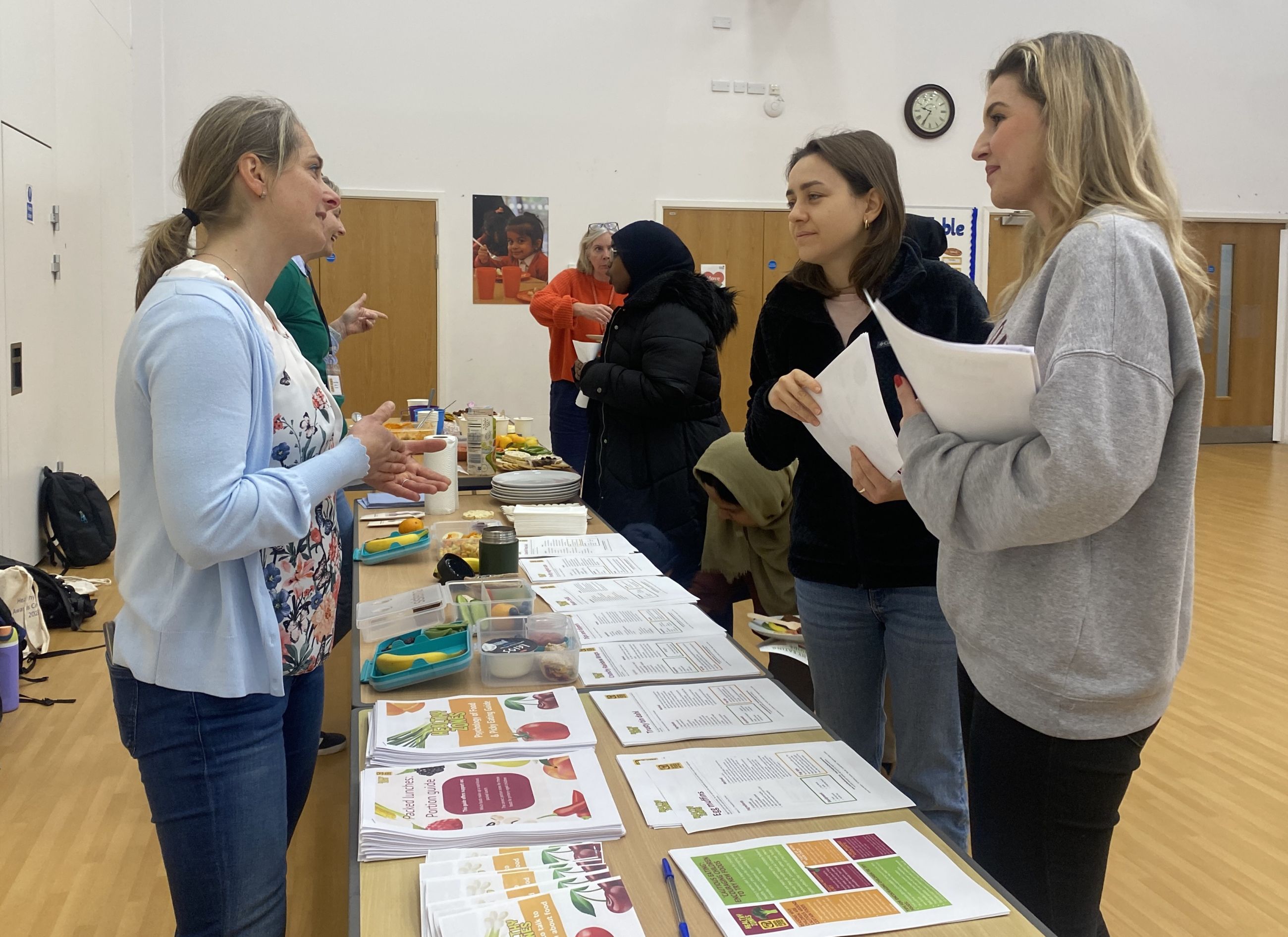
That support has also been valuable when navigating school food. I’ve had questions about my own daughter’s school and wondered where to start. Other parents can share their experiences, suggest things to try and talk about what has worked for them.
Hearing those success stories shows you that parents really can make a difference to school food provision and policy. Sometimes it takes a bit of bravery to speak up but it helps to know other people are doing the same.
What role can parents play in making school food better?
It can feel overwhelming when you don’t know how the system works or who to approach. The Children’s Food Campaign’s parent toolkit helps break that process down into manageable steps with practical guidance and templates to save time.
I’d also encourage parents to talk to each other. What are their children’s experiences of school food? Is there enough variety? Are the meals good quality? Are there suitable options for different dietary needs? Do children have enough time to eat? How long are they having to queue for their school lunch?
By talking to other parents, you can get a clearer picture of what’s working and what people would like to change. You can then approach the school together with specific suggestions, rather than simply a list of complaints.
It’s important to remember how much schools and kitchen teams are juggling, too. School food involves lots of decisions around budgets, catering and the needs of different children. Going in with a supportive attitude and asking, “How can we help?” can make a real difference.
Be clear about what you’d like to see change, be patient and look for small, achievable steps you can take together. Change doesn’t happen overnight but that doesn’t mean you shouldn’t keep trying.
What advice would you give a parent who wants to make school food better for their child?
Talk to other parents first and find out whether they share your concerns. You can build a network of people who want to see the same changes and approach the school together.
When you do speak to the school, be specific about the issue and what you’d like to see happen. If possible, arrange a meeting rather than relying on emails and approach the conversation positively. Offer suggestions and ask what you could do together to make things better.
Most importantly, be patient. Change takes time, but small improvements can build into something bigger. If you’re willing to speak up and work with the school, you can make a difference.
Find out more about the We’re Fed Up campaign and read the calls for change.
Discover how parents are helping shape calls for a food system that works for children and families through Sustain’s Children’s Food Campaign.
Find out more about volunteering with School Food Matters on our blog and apply to join our team.