Getting young Londoners growing, tasting and learning outdoors

In many cities, opportunities to see food growing in the ground – let alone plant, harvest and taste it – can be few and far between. Through our Know Your Onions programme, secondary school students take part in practical cooking and food-growing activities, visit local farms and market gardens, and discover more about where food comes from through first-hand experiences.
One of our long-standing partners is Growing Communities, a community-led London organisation connecting people with sustainable food and organic farming. To mark National Children's Gardening Week, we spoke to Deputy Director Katy Barker about the power of outdoor learning, what inspires young people when they visit the farm, and Growing Communities' exciting plans for a new education hub in Dagenham.

Can you tell us a little about Growing Communities and its mission?
We were set up in Hackney in 1996 and our mission is a world where everyone has access to food that is produced fairly and sustainably.
To achieve that, we model and advocate for a food system that is organic and farmer-focused. We only work with organic farmers because we know they're farming in a way that protects and builds soil and land health for future generations.
Practically speaking, we run a subscription veg box scheme with collection points across east London, London's only fully organic farmers' market, and a wholesale operation supplying schools, restaurants and other organisations. We also grow food at our market gardens in Hackney and at Dagenham Farm. Those growing sites are where we do much of our work with schools and young people.
How does your work with School Food Matters support Growing Communities' educational mission?
School Food Matters is helpful in connecting us with schools and teachers who are keen to organise visits to farms and growing sites.
We're specialised in welcoming children and young people to the farm and delivering workshops that fit with the curriculum and what schools are learning. School Food Matters helps make those visits happen by building relationships with schools and taking care of so much of the coordination and planning.
Since 2017, we've welcomed lots of groups through the Know Your Onions programme to visit our growing sites, learn about food production and experience first-hand what sustainable food growing looks like.
What do children learn when they visit a Growing Communities garden?
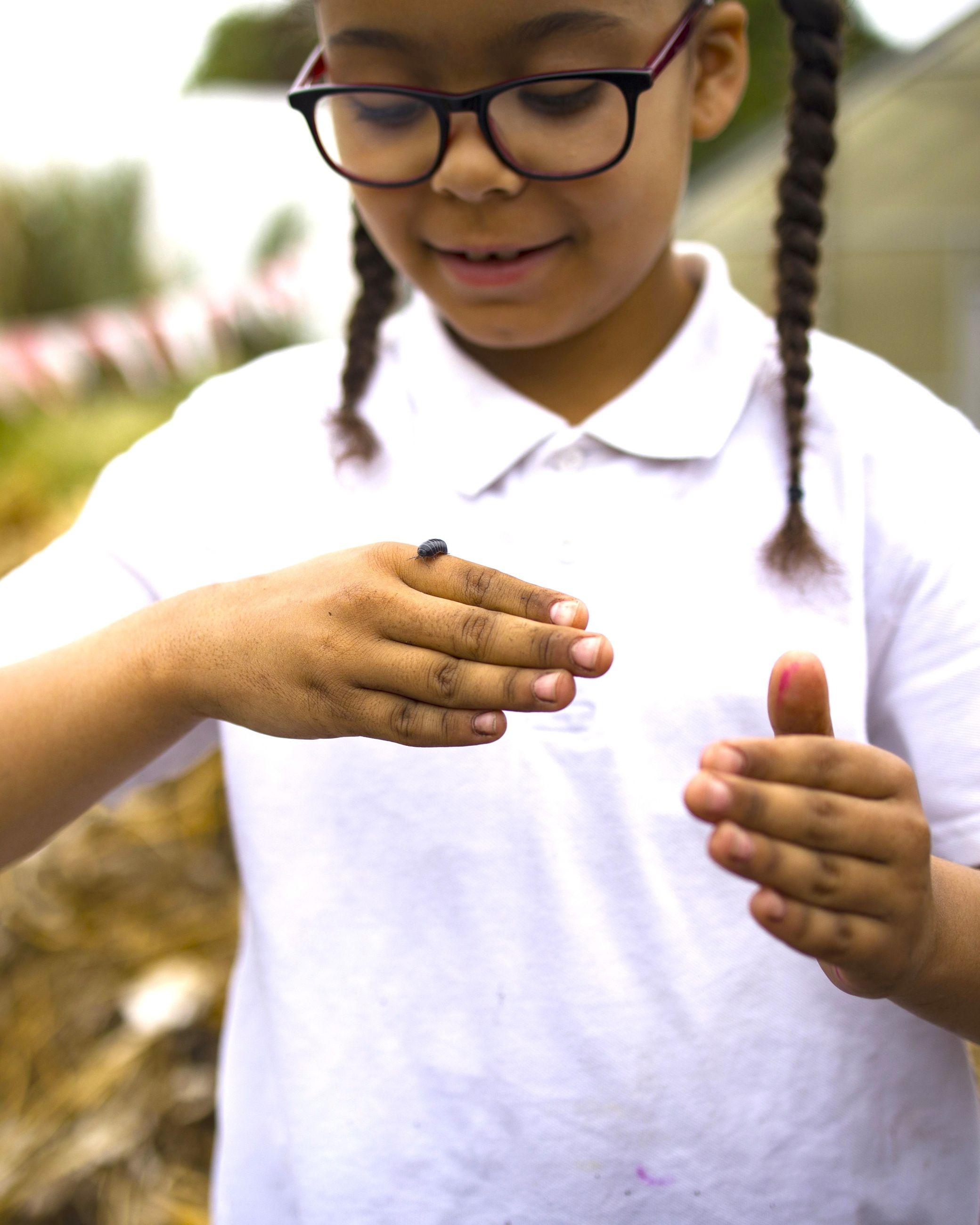
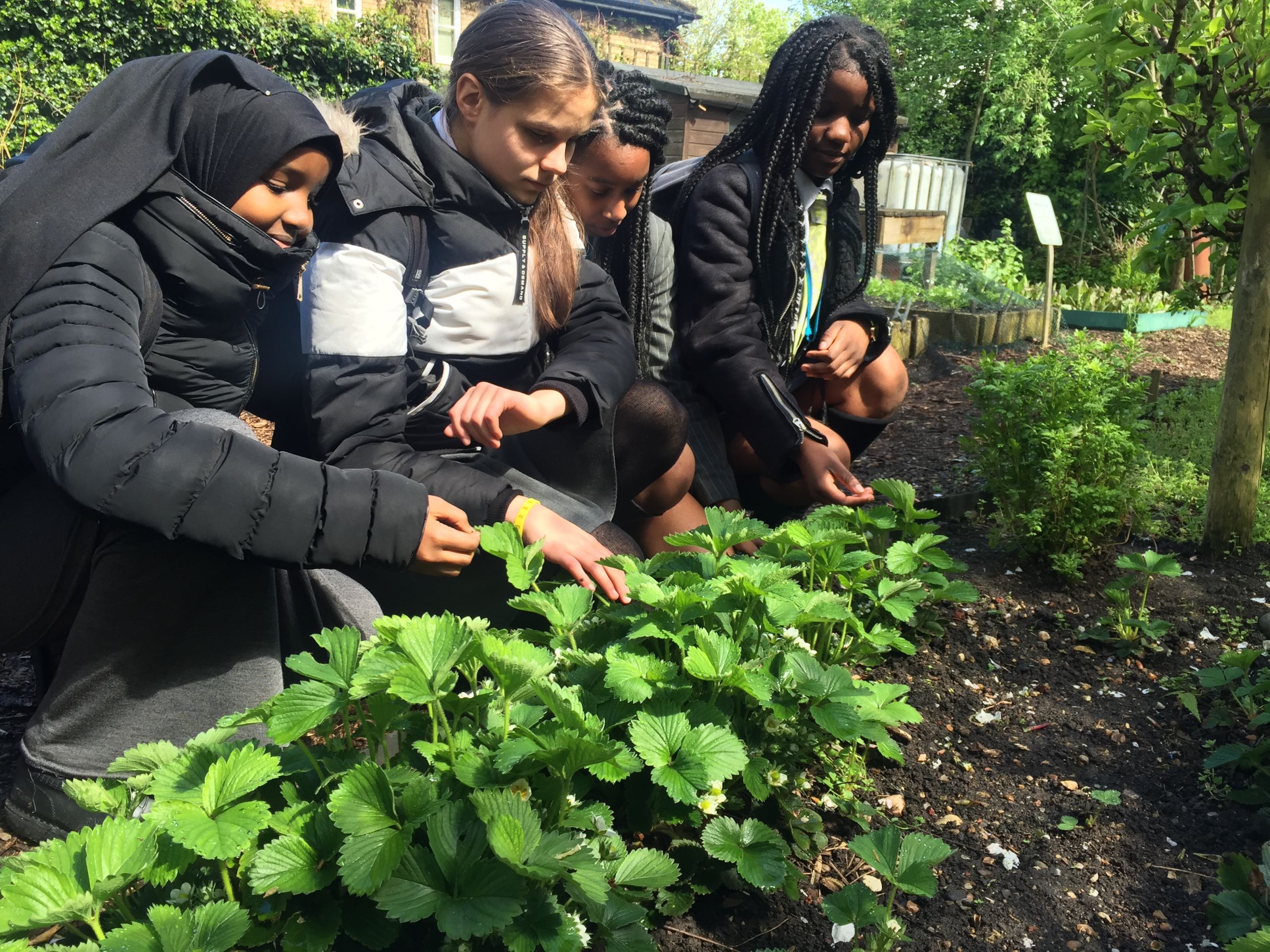
Depending on their age and what they're studying, they'll learn about the life cycle of growing, taste fruit and vegetables picked straight from the farm, and explore things like composting, rainwater collection and biodiversity. We look at how we work with nature to grow food and what plants need to stay healthy.
Everything is totally interactive. Children are outside, using all their senses rather than sitting indoors. They plant seeds and often take them back to school or home, so they have something to continue caring for after the visit.
One thing we often see is how excited young people are to touch, smell and taste things for themselves. It can be a real confidence-builder. For some children, putting their hands in the soil feels brave. As their confidence grows, so does their curiosity.
That often extends to food too. Children who are convinced they don't like vegetables can become intrigued when they've picked something themselves. Suddenly tasting it becomes fun and exciting rather than something they're being told to do.
Why is it important for children and young people to understand where food comes from?
Food is nature. It doesn't begin in the supermarket – it comes from the soil. When young people see food growing for themselves, it helps them make sense of bigger issues such as climate change, biodiversity and food sustainability. It gives them a real-world reference point that they can connect future learning to.
We also talk about seasonality and how different crops grow throughout the year. Seeing that for themselves helps children understand that food production is shaped by nature, weather and the changing seasons.
We introduce ideas such as organic farming, biodiversity, fertilisers and pesticides in a practical way. Young people can see that when we farm in harmony with nature, birds, insects and other wildlife can thrive alongside food production. It helps make concepts that might otherwise feel quite abstract much more tangible and relevant.
National Children's Gardening Week aims to inspire children’s curiosity for gardening. What do you think most inspires young people when they visit the Growing Communities garden?
I think it's those little moments of discovery when they suddenly realise where food comes from. They see tomatoes hanging above their heads or cucumbers dangling from a vine and they're often surprised, amused and fascinated, having not really thought about what their food looks like when it’s still a plant.
Children also love getting involved themselves. Planting a seed, adding water and soil, and understanding that this tiny seed can eventually become food feels a bit like magic.
For many of the young people who visit us, the farm is also very different from their everyday environment. Being surrounded by nature has a real sensory impact. It gives them the chance to slow down, pay attention and experience something different.
You're currently fundraising for a new education hub in Dagenham. Can you tell us about the vision for the project?
Dagenham Farm is an incredible site and we already host lots of successful school visits there, but the facilities weren't designed with education in mind. At the moment, we have very limited indoor space and nowhere suitable for larger groups to gather. The new education hub would transform what we're able to offer.
Working with architects Ackroyd Lowrie, we've designed a purpose-built classroom that's light, airy and connected to the farm, so it doesn't feel like stepping back into a conventional classroom.
Our ambition is to become a leading farm school for London. We're in a fantastic location, accessible to thousands of schools by public transport, and we want to create a space where even more children and young people can experience food growing, nature and outdoor learning.
We already have planning permission and completed designs. The final step is raising the funds needed to bring the project to life.
Is there a memorable moment from a school visit that captures why teaching children about food growing matters?
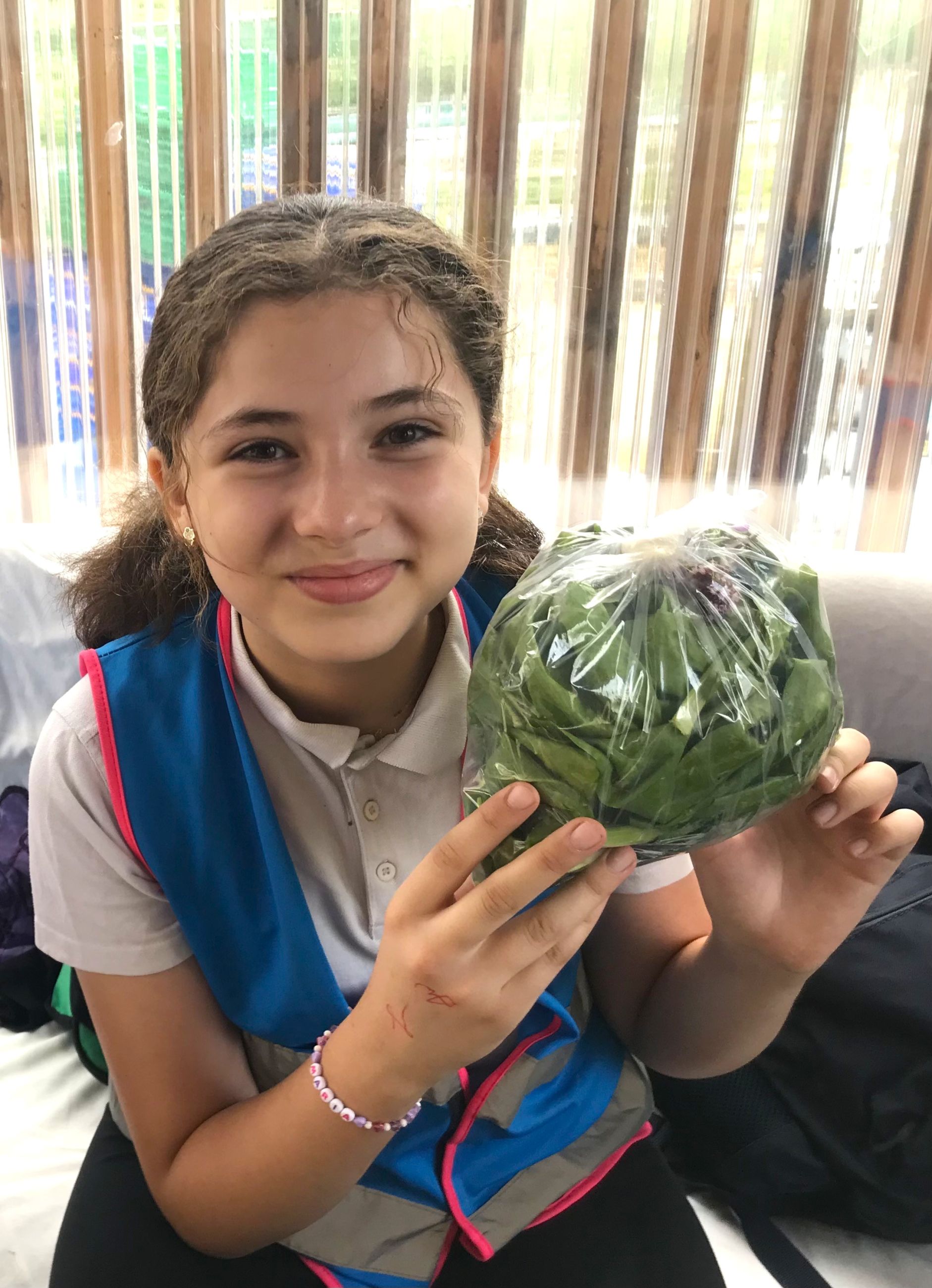
Some of my favourite moments are when young people surprise themselves. We've had children making pizzas topped with peppers, spinach and fresh tomatoes they've harvested themselves and then happily eating vegetables they would normally refuse at home. When they've grown, picked or prepared something themselves, they're often more willing to give it a try.
We also hear young people saying they're going to tell their parents they want to grow food at home or teach them what they've learned. When they leave feeling motivated to carry on exploring food growing, you know the experience has really stayed with them.
Discover how Know Your Onions helps secondary school students connect with food, growing and nature through hands-on experiences.
Find out more about Growing Communities' plans for a new education hub at Dagenham Farm and support them to create more opportunities for outdoor learning.